

Customer Service Problems refer to common challenges businesses face while assisting customers, such as slow response times, unresolved queries, poor communication, and inconsistent support. These issues often arise from inefficient processes or high ticket volumes and can lead to customer frustration, reduced satisfaction, and ultimately, loss of trust and loyalty.
I’ve seen customer service problems kill great businesses — I’ve also learned how to fix them.
Most customer service issues don’t start with an angry customer. They start with something much smaller: a delayed response, a confusing help article, a support ticket that gets passed between agents, or a simple question that takes far too long to answer. The right help desk tools can address nearly all of these friction points by centralizing conversations, automating routing, and giving agents the context they need upfront.
The good news? Most of the problems faced by support teams and customers are entirely fixable. They don’t always require massive budgets or complete overhauls. Sometimes, just a sharper process, a smarter tool, or a shift in mindset is all it takes.
In this post, I’m breaking down the 10 most common customer service problems and challenges I’ve encountered, and more importantly, how I fixed them.
What Are the Most Common Customer Service Problems & How Can You Fix Each One?
Customer service challenges are common, but most of them are easier to fix than they seem. Below are 10 common customer service problems businesses face and practical ways to solve them.
1. Slow Response Times
Nothing frustrates customers faster than being left waiting. Whether it’s an unanswered email, a ticket stuck in the queue, or a chat project with no reply, slow response times signal that your business doesn’t value their time. Investing in reliable ticketing software is often the first step toward fixing this, as it ensures every customer request is logged, assigned, and tracked until resolution.
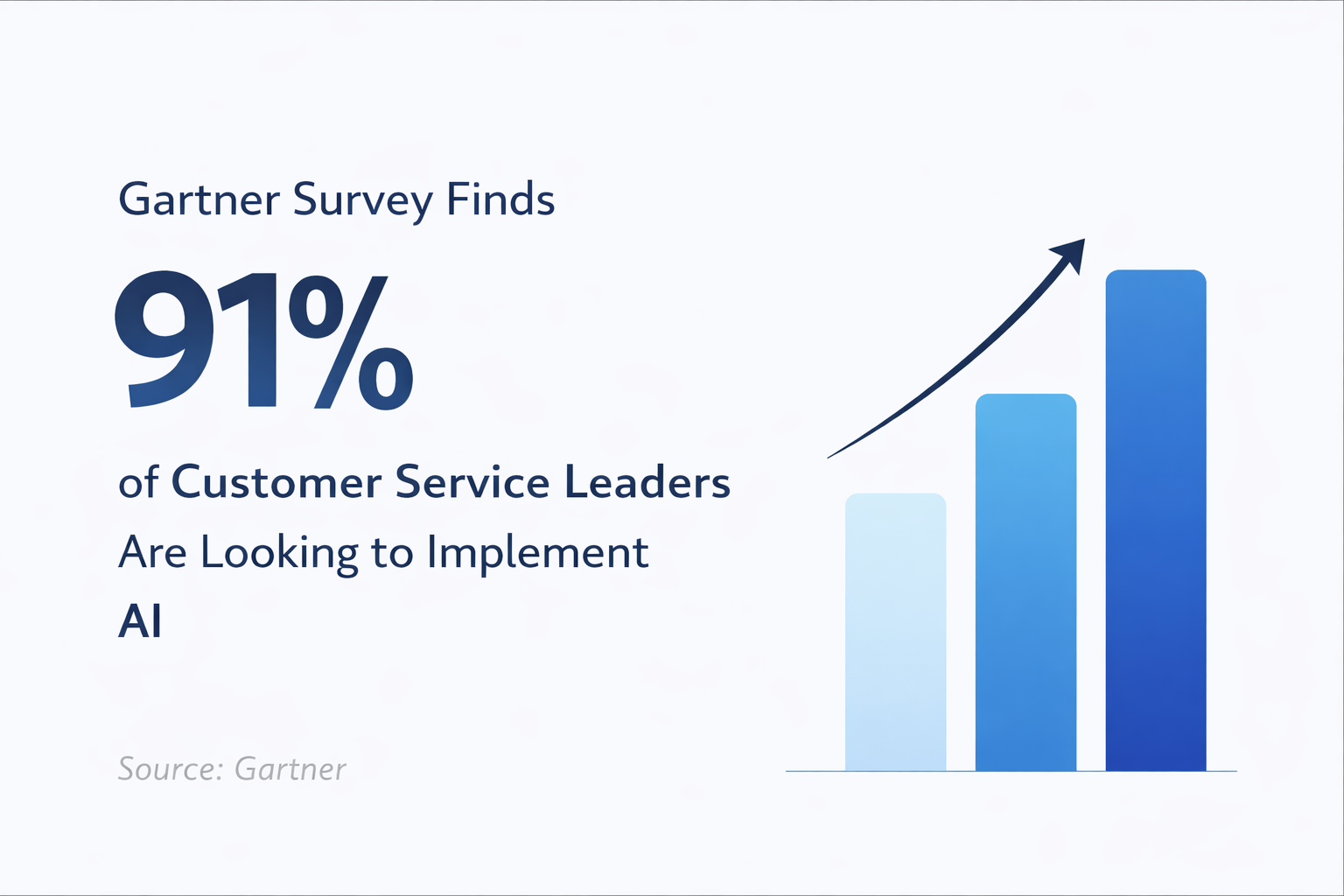
Quick adoption of AI and automation is an effective way to tackle rising ticket volumes and slow response times. A study by Gartner in 2026 shows that 91% of customer service leaders are looking to implement AI in support processes.
How to Fix It:
- Implement AI-powered help desk software to generate ticket summaries and response suggestions in an instant. This allows agents to quickly acknowledge every incoming query and set clear resolution timelines, so customers never feel ignored.
- Use tiered ticket prioritization to route urgent issues directly to available agents while lower-priority requests are queued efficiently.
- Set SLA (Service Level Agreement) benchmarks and monitor them in real time so your team always knows when a ticket is at risk of breaching response targets. Consider bringing in an outsource customer service team to handle ticket overflow during peak periods, extending your capacity without the cost and time of hiring in-house agents.
Bonus: Here’s a small table showing the average vs. ideal first response times your business can aim for across common channels.
| Customer Service Channel | Average First Response Time | Ideal First Response Time |
|---|---|---|
| Email Support | 12–24 hours | 1–4 hours |
| Live Chat | 2–5 minutes | Under 1 minute |
| Phone Support | 1–5 minutes (hold time) | Under 1 minute |
| Social Media | 1–6 hours | Within 1 hour |
| Support Tickets / Help Desk | 6–24 hours | 1–2 hours |
| Messaging Apps (WhatsApp, Messenger) | 15–60 minutes | Under 10 minutes |
2. Lack of Personalization
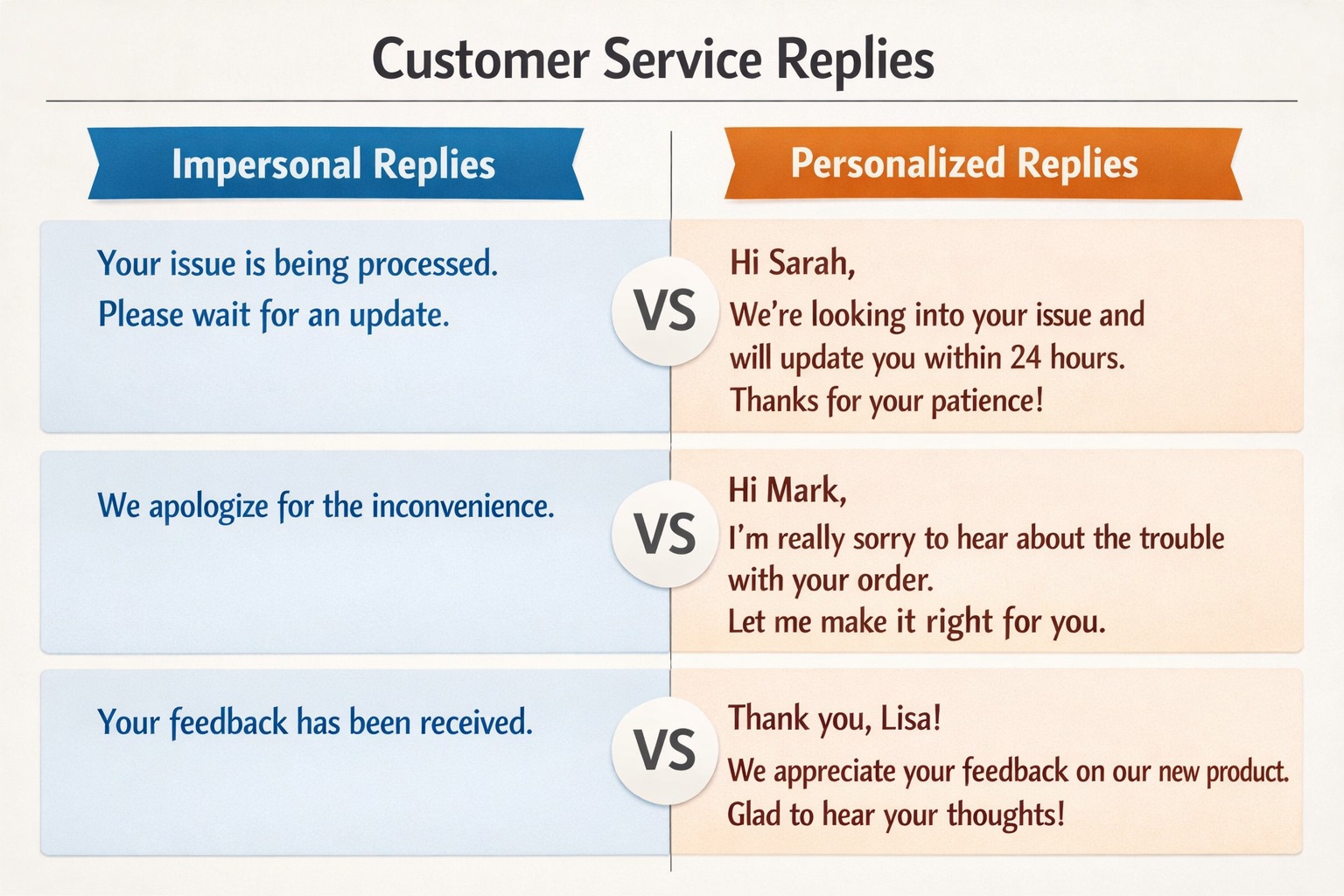
Customers don’t want to feel like ticket numbers. When a support agent opens a conversation with zero context, like no purchase history, no previous interactions, no name, etc., it immediately creates a transactional, cold experience. Personalization isn’t a luxury anymore; it’s expected.
This problem often stems from siloed data. Your CRM doesn’t talk to your support tool, or agents simply don’t have time to dig through customer history before jumping into a response. The result is generic replies that miss the mark entirely.
How to Fix It:
- Integrate CRM with help desk software so agents can instantly see customer history, preferences, and past interactions before responding.
- Create dynamic response templates that auto-populate customer names, account details, and relevant product information for a personalized touch at scale.
- Train agents to reference past interactions in their replies. For example, a simple ‘I can see you reached out about this last month’ goes a long way in building customer trust.
3. Inconsistent Support Across Channels
A customer might have a great experience over chat, then reach out via email and feel like they’re talking to a completely different company. Inconsistency across support channels — email, chat, social, self-service — is one of the most damaging and most overlooked customer service problems.
This happens when teams operate in silos, each channel is managed separately, and there’s no unified playbook. Without a consistent tone, policy, and information, customers lose confidence in the brand and begin to wonder who the ‘real’ version of your support team is.
How to Fix It:
- Adopt an omnichannel support platform that unifies all communication streams (like email, live chat, web forms, social media, etc.) in one dashboard. This gives your agents full visibility of every touchpoint a customer has had.
- Standardize tone and communication guidelines through a brand voice document that every support agent follows, regardless of the channel they’re operating on.
- Train agents across channels to ensure they can handle requests efficiently, whether it’s chat, email, or social media.
4. Agents Without Enough Context or Training
Underprepared agents are a hidden crisis in many support operations. When an agent doesn’t fully understand a product, policy, or process, they either give wrong information, over-promise, or stall, all of which damage customer trust and create more work downstream.
The issue is often a lack of onboarding depth and no ongoing training program. Products evolve, policies change, and without regular knowledge updates, agents are left operating on outdated information. New hires especially fall into this gap.
How to Fix It:
- Create structured onboarding programs with role-play scenarios, product deep-dives, and regular assessments to ensure agents are genuinely prepared before going live.
- Run monthly knowledge-check sessions — short, focused training refreshers — to address knowledge gaps before they turn into customer-facing mistakes.
- Maintain a living internal wiki where product updates, policy changes, and common edge-case resolutions are documented and pushed to agents in real time.
5. No Proactive Communication
Reactive support is expensive. When customers have to reach out to discover that an order is delayed, a feature is broken, or their account has an issue, their frustration is already running high before the conversation even starts. Proactive communication flips the script entirely.
Most teams focus purely on inbound support and never build systems to proactively reach out. The problem is that by the time a customer contacts you, the damage to their experience has already been done — and your team is now playing catch-up.
How to Fix It:
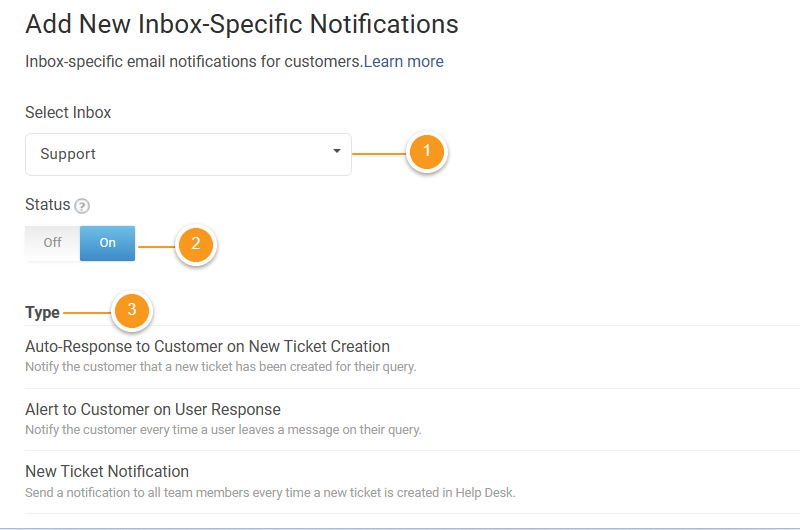
- Set up automated status notifications for orders, tickets, and service disruptions, so customers are informed before they need to ask.
- Use customer health scores to identify at-risk accounts and proactively reach out with help, upgrades, or check-ins before churn becomes a risk.
- Create a proactive outreach workflow for known product issues — a quick heads-up email or in-app message goes a long way in turning a bad situation into a trust-building moment.
6. Difficulty Reaching a Human Agent
Self-service is great, until it isn’t. When customers are stuck in an endless loop of FAQs and chatbots, unable to find a real person to talk to, their frustration compounds quickly. Making it difficult to escalate to a human agent is one of the fastest ways to destroy customer loyalty.
Many companies bury their contact options behind multiple layers of automation in an attempt to reduce support volume. While the intent is efficiency, the result is a customer experience that feels deliberately obstructive and dismissive.
How to Fix It:
- Make human escalation paths clearly visible — a ‘Talk to a person’ option should never be more than two steps away in any self-service flow.
- Introduce a callback system so customers aren’t forced to wait in queues — they can request a call at their convenience, dramatically reducing friction.
- Train chatbots to recognize frustration signals (repeated questions, short replies, specific keywords) and automatically offer a handoff to a live agent. Watch this short video to learn how AI chatbots and human agents can work together to delight customers.
7. Poor Handling of Complaints and Negative Feedback
How a business handles a complaint tells a customer far more than how it handles a smooth transaction. Dismissive responses, delayed acknowledgment, or copy-paste apologies send a clear message that the complaint isn’t really being taken seriously.
Teams often fall short here because there’s no clear complaint escalation protocol, or agents are not empowered to make decisions, like issuing refunds or applying credits — on the spot. Bureaucracy slows resolution and raises customer anger.
How to Fix It:
- Build a dedicated complaint resolution workflow with clear escalation tiers, defined resolution timeframes, and agent authority to act without managerial approval for common issues.
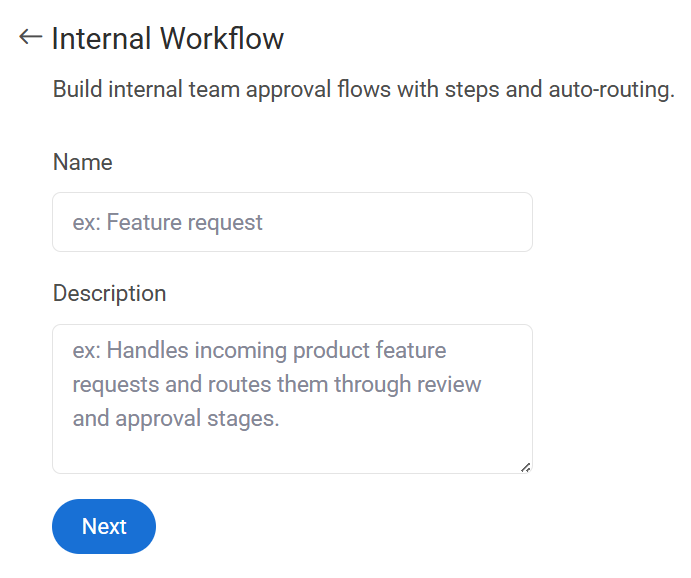
- Acknowledge complaints within a set timeframe — even a quick ‘We’ve received your concern and are looking into it’ reassures customers that their voice is being heard.
- Follow up after resolution with a short check-in message to confirm the customer is satisfied. This simple step turns a negative experience into a memorable one.
Bonus: Check out these ready-to-use apology email templates to turn complaints into compliments.
8. Inadequate Self-Service Options
Many customers prefer to solve problems on their own — quickly, quietly, and without having to wait for an agent. When self-service resources are outdated, incomplete, or hard to navigate, those customers are pushed into support queues unnecessarily, adding volume your team doesn’t need.
The root issue is often that self-service content is created once and never maintained. FAQs become stale, help articles don’t reflect product updates, and search functionality in the help center returns irrelevant results — all of which erode customer confidence in helping themselves.
How to Fix It:
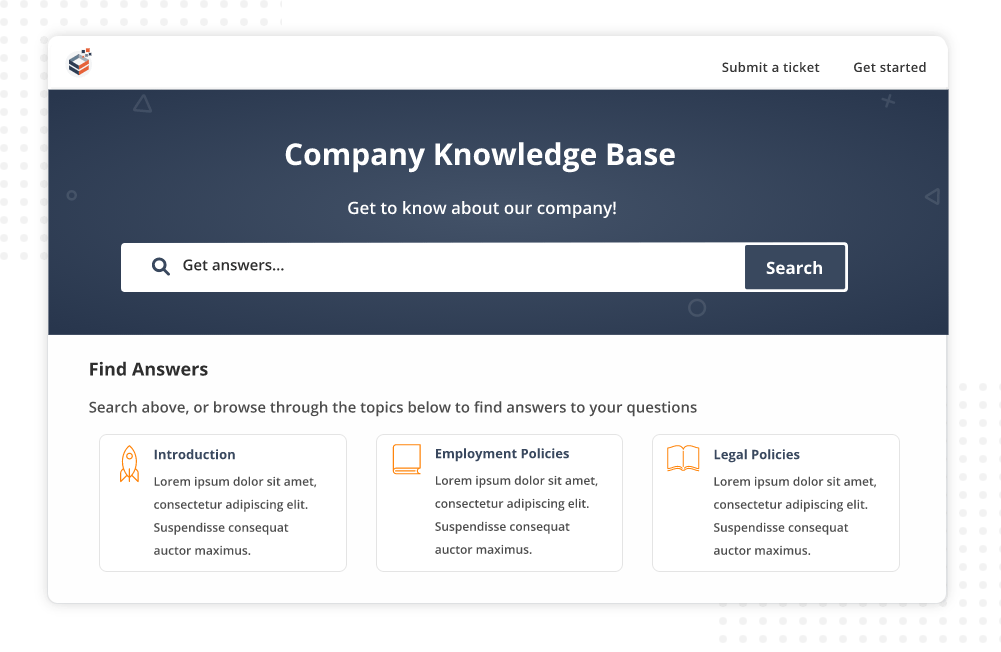
- Audit your knowledge base quarterly and update articles to reflect the latest product features, policy changes, and frequently asked questions coming through your support queue.
- Optimize your help center’s search functionality with tags, categories, and keyword mapping so customers can find answers quickly. An AI knowledge base tool offers AI search assistant that can quickly scan the knowledge base and share accurate answers to users.
- Add video walkthroughs and visual guides for complex processes. Step-by-step visuals dramatically reduce the need for live agent intervention on repetitive how-to queries.
9. High Agent Burnout and Turnover
Customer service is one of the most emotionally demanding roles in any business, and high burnout rates are rampant in the industry. When agents are exhausted, morale drops, and customers feel it. Interactions become robotic, empathy disappears, and quality declines sharply.
The causes run deep: high-volume queues, repetitive queries, a lack of recognition, and inadequate tools that make every task harder than it needs to be. Without intentional investment in agent well-being, turnover becomes a cycle that costs far more than it saves.
How to Fix It:
- Automate repetitive, low-value queries using chatbots and canned responses so agents spend their energy on complex, meaningful interactions that require real human judgment.

- Introduce regular team check-ins and wellbeing programs to spot burnout early, celebrate wins, and give agents a voice in improving the processes they work with daily.
- Create clear career progression paths within the support function — agents who see a future in the role are more motivated, more loyal, and significantly more effective.
10. No Measurement or Feedback Loop
You can’t fix what you don’t measure. Many support teams operate without consistent tracking of key help desk metrics like CSAT, First Response Time, Resolution Rate, NPS, etc. As a result, they have no real visibility into what’s working and what isn’t. Problems quietly persist because no one is looking at the data.
Even when data is collected, it often isn’t acted on. Feedback from customers goes unread, CSAT scores are logged but never analyzed for trends, and the team continues operating on assumptions rather than insights. The gap between collecting feedback and closing the loop is where most improvements die.
How to Fix It:
- Track a core set of KPIs consistently — CSAT, First Response Time, Average Resolution Time, and Ticket Reopens — and review them in weekly team standups.
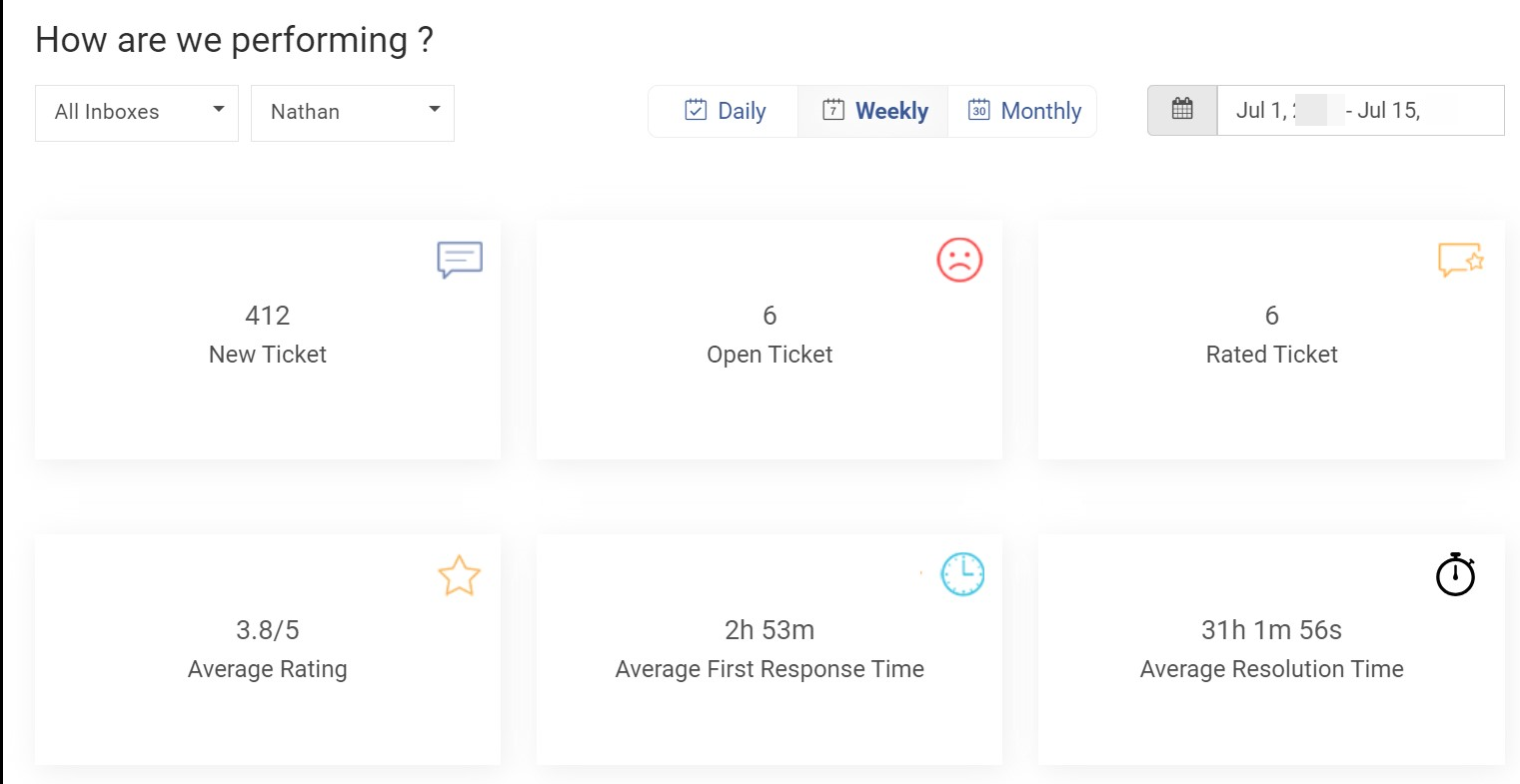
- Create a monthly insights report that identifies recurring complaint themes, underperforming areas, and quick wins. Then feed those findings directly into team training and process updates.
- Send post-resolution surveys automatically to capture customer sentiment while the experience is still fresh, and flag low scores for immediate manager review.
The AI vs. Human Problem: What to Automate

Although I’ve covered the most common customer service issues, there is a new one in town that needs a separate section —What to Automate vs. What Must Stay Human.
As customer support teams increasingly adopt AI, the real challenge isn’t whether to automate, but knowing what should be automated and what deserves human empathy and attention to detail. The table below highlights the difference.
| Customer Service Task | Best Handled By | Why |
|---|---|---|
| FAQs and common questions | AI / Automation | AI chatbots and help desk automation can instantly answer repetitive questions, reducing ticket volume and wait times. |
| Ticket routing and categorization | AI / Automation | AI can automatically tag, prioritize, and route tickets to the right team, speeding up resolution. |
| Order status and account information | AI / Automation | These requests are simple and data-driven, making them ideal for automated responses. |
| Password resets and basic troubleshooting | AI / Automation | Automation can guide users through step-by-step solutions without agent involvement. |
| Complex technical issues | Human Agents | These problems often require deeper investigation, judgment, and product expertise. |
| Escalated complaints or frustrated customers | Human Agents | Emotional situations require empathy, reassurance, and personalized responses. |
| Negotiations, refunds, or policy exceptions | Human Agents | These decisions often need discretion and contextual understanding. |
| Relationship-building and customer success | Human Agents | Personal interactions help build trust, loyalty, and long-term customer relationships. |
Customer Service Audit Checklist (See What You Are Doing Right)
Great customer service doesn’t happen by accident; it’s built on the right processes.
Use this quick content audit checklist to evaluate your current approach and spot opportunities for improvement.
|
Response & speed
|
Agent quality
|
Self-service & tools
|
Measurement
|
|---|---|---|---|
|
|
|
|
|
Fix the Problems Before They Frustrate Your Customers
Identifying and addressing customer service problems is essential for any business that wants to build lasting customer relationships. Even small support issues like slow responses or unclear communication can gradually impact customer trust, satisfaction, and retention if left unresolved.
To improve support experiences, focus on simplifying processes, training agents regularly, and using data to understand recurring issues. Investing in self-service resources, setting clear response-time goals, and actively collecting customer feedback can also help teams resolve problems faster and prevent them from recurring.
A reliable help desk solution like ProProfs Help Desk can make this process much easier. With features such as AI-powered ticket management, shared inbox, automated workflows, knowledge base integration, and performance reporting, teams can streamline support operations while delivering faster and more consistent customer experiences.
Frequently Asked Questions

Why do customers stop doing business with a company after a bad experience?
Because most don't bother complaining — they just leave. Studies consistently show that only a small fraction of dissatisfied customers raise a complaint directly; the rest quietly switch to a competitor. This makes proactive service and post-resolution follow-ups far more important than reactive damage control.
How does poor customer service affect a business beyond losing customers?
The impact runs deeper than churn. It drives up resolution costs, generates negative online reviews, increases agent burnout and turnover, and pulls other departments into firefighting mode. The cost of fixing a service failure is almost always higher than the cost of preventing it.
How can businesses improve first-contact resolution rates?
The biggest lever is context — giving agents full customer history before they respond, a well-maintained knowledge base to reference, and the authority to resolve issues without needing managerial sign-off. Most tickets get reopened because agents lacked one of these three things.
How do you handle angry or difficult customers without escalating the situation?
Leading with acknowledgment — validating the frustration before jumping to solutions — de-escalates most situations before they spiral. The instinct to defend or explain is natural but counterproductive. Empathy is a trainable skill, and teams that practise it consistently see measurably lower escalation rates.
What metrics should businesses track to measure customer service performance?
At a minimum: Customer Satisfaction Score (CSAT), First Response Time, Average Resolution Time, and Ticket Reopen Rate. Together they reveal both speed and quality. Reopen rate in particular is one of the most honest signals of whether issues are actually being solved or just closed.
How does ignoring customer feedback create long-term service problems?
It creates a loop where the same issues keep recurring because nothing changes. Feedback stops being a vanity metric only when it's treated as an operational input — low scores should trigger follow-up, recurring complaints should feed directly into training, and trends should inform process changes.
How do you balance automation with the human touch in customer support?
Use automation for repetitive, low-effort tasks like acknowledgments, ticket routing, and basic FAQs. Reserve human agents for anything complex, emotional, or unresolved. The rule is simple: automate the process, not the relationship. Customers should never feel like automation is a wall blocking them from a real person.
When is the right time for a business to invest in customer service software?
When tickets are being missed, teams are juggling multiple inboxes, or there's no visibility into basic performance metrics — it's already past time. The right tool like ProProfs Help Desk doesn't just speed things up; it surfaces patterns, reduces manual workload, and gives the team the data it needs to actually improve over time.
FREE. All Features. FOREVER!
Try our Forever FREE account with all premium features!

 We'd love your feedback!
What did you like & how can we make it even better?
 Thanks for your feedback!
 Ask Your Question
Have a question? Get expert help to make your decision easier.